Gluten Free Bread Maker with Custom Settings Explained


For all, the scent of fresh bread is a remote memory after going gluten-free. Store-bought loaves frequently miss out the tag, missing that satisfying texture and taste we crave. However, the increase of Gluten Free Bread Maker is a game-changer, particularly models equipped with custom settings. In accordance with recent market analysis, revenue of home devices catering to nutritional limitations have seen a substantial uptick, showing an increasing customer need to take control of their ingredients.
Understanding how exactly to control custom settings on a bread maker is the secret element to turning thick, brick-like loaves into airy, delightful masterpieces. This guide may go you through the nuances of applying these machines to master your gluten-free baking.
Why Custom Adjustments Subject for Gluten-Free Bread
Gluten-free cooking is fundamentally different from conventional baking. Grain flour contains gluten, a protein that gives elasticity and structure. Without it, you're counting on a blend of flours—like rice, almond, or tapioca—and binding brokers like xanthan gum.
Normal bread rounds are made for rice flour. They typically contain long massaging instances to produce gluten and multiple rise cycles (proofing) to let the fungus work. If you place gluten-free cash through a common cycle, you usually get a disaster. The extended massaging stops working the delicate design given by the gums, and the next increase frequently triggers the loaf to fall since it lacks the architectural integrity to put up fuel for that long.
Custom adjustments permit you to bypass these pitfalls. They allow you to plan the precise times for kneading, increasing, and cooking, tailored precisely to the initial chemistry of gluten-free ingredients.
Configuring the Perfect Routine
The first faltering step is realizing that gluten-free money functions more like a heavy meal player when compared to a old-fashioned dough ball. It doesn't have to be pummeled; it just needs to be blended thoroughly.
When coding your custom setting, start with considerably reducing the rubbing time. A typical cycle may massage for 20-30 minutes. For gluten-free bread, 10 to fifteen minutes is normally sufficient to combine the materials without overworking the batter.
Next, consider the increase time. Old-fashioned bread often has two rise rounds with a "strike down" in between. Gluten-free bread generally wants only one rise. In the event that you punch it down, it won't increase again. Therefore, you should program your unit for just one, uninterrupted increase cycle. Relying on your formula and the warmth of your home, that often takes between 45 to 60 minutes. The goal would be to let the money rise just to the top of the skillet before baking begins.
Finally, change the bake time. Gluten-free flours frequently have an increased moisture content than grain flour. What this means is they are able to get lengthier to cook through completely. While a regular loaf might make in 45-50 moments, a gluten-free loaf may need 60 moments or more to ensure the center isn't gummy. A darker crust setting is frequently beneficial here to make certain a comprehensive bake.
Troubleshooting Common Problems
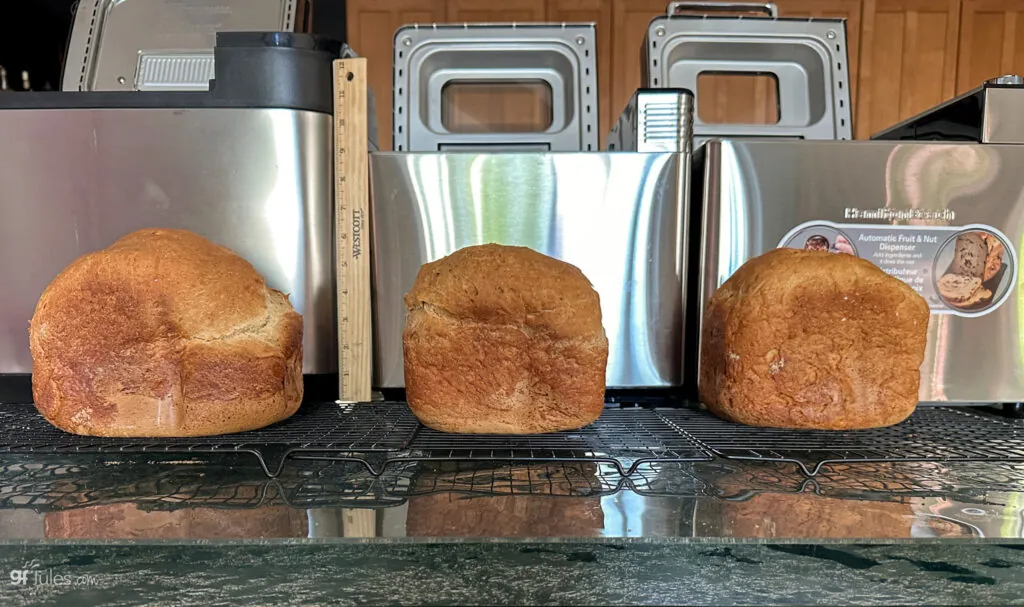
Despite custom options, you will need to tune your approach on the basis of the unique flour combination you use. If you find your loaf features a sunken prime, it likely rose too fast or too high prior to the baking cycle started. In the next portion, decide to try lowering the increase time by 5-10 moments or slightly reducing the water in your recipe.
Alternatively, if the bread is thick and short, it might not have grown enough. You could extend the rise time in your custom setting or ensure your liquid substances are hot (around 110°F) to precisely activate the yeast.
Taking control of one's bread maker's settings empowers one to try with different grains and flavors, from vigorous buckwheat to mild sorghum blends. As soon as you switch in an ideal custom cycle, you'll find that cooking new, safe, and tasty bread becomes a simple, automated portion of one's regular routine.
Willing to fill your house with the odor of new cooking? Grab your chosen gluten-free flour mix, plan these settings, and start experiencing bread just how it absolutely was designed to be eaten.